Common Small Animal Problems in Commercial and Industrial Properties
People searching for small animal removal in commercial and industrial properties can find local service providers who specialize in safely removing and preventing common small animal problems.
Understanding common small animal problems in commercial and industrial properties is essential for maintaining a safe and functional environment. Property owners in the area may find this information particularly relevant as these issues can lead to structural damage, health concerns, and operational disruptions. Recognizing signs of small animal activity early can help prevent more serious complications, making it a practical concern for those responsible for managing large or complex facilities. As these problems often require specialized removal and prevention strategies, knowing when to seek assistance from local service providers can save time and resources.
Local contractors who specialize in small animal removal are equipped to handle a variety of issues that arise in commercial and industrial settings. Whether it’s rodents nesting in hidden spaces or birds causing debris buildup, these professionals provide targeted solutions to address the root of the problem. Exploring this topic further can help property owners understand the importance of prompt, effective action and how connecting with experienced service providers can support ongoing property maintenance and safety. Keep reading to learn more about common small animal problems and how local experts can assist in resolving them efficiently.
- Commercial building inspections - when signs of small animal intrusion are detected, local contractors assess entry points and implement removal strategies.
- Rodent and pest exclusion services - to prevent ongoing issues, service providers identify and seal entry points for small animals in industrial properties.
- Infestation cleanup and removal - after discovering small animals inside, local pros safely remove the pests and sanitize affected areas.
- Structural repairs and sealing - when small animals damage roofing or walls, contractors perform repairs and reinforce vulnerabilities to prevent re-entry.
- Wildlife trapping and relocation - for persistent small animal problems, service providers trap and humanely relocate animals from commercial sites.
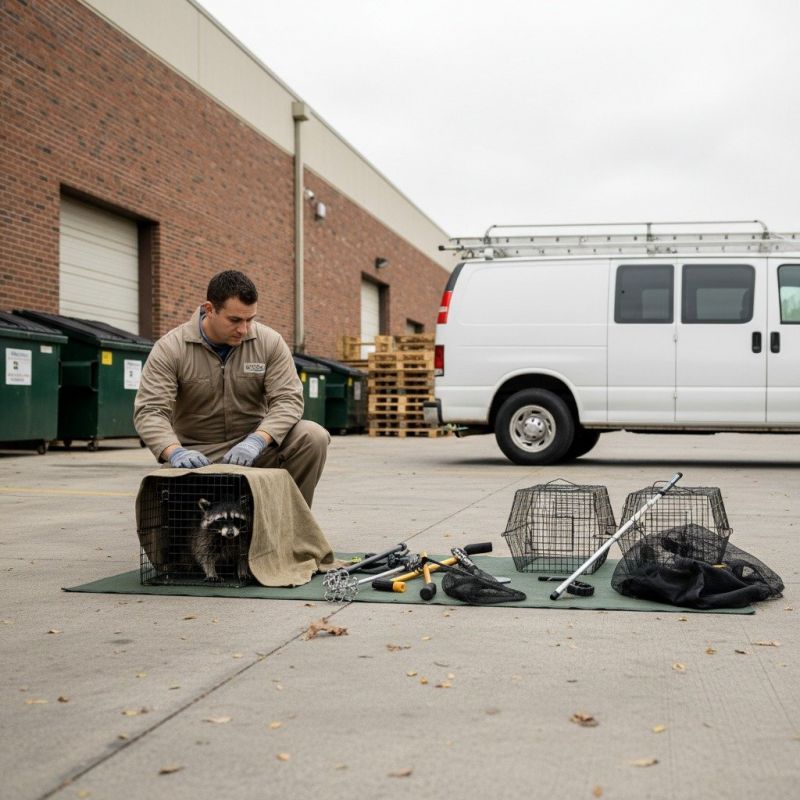
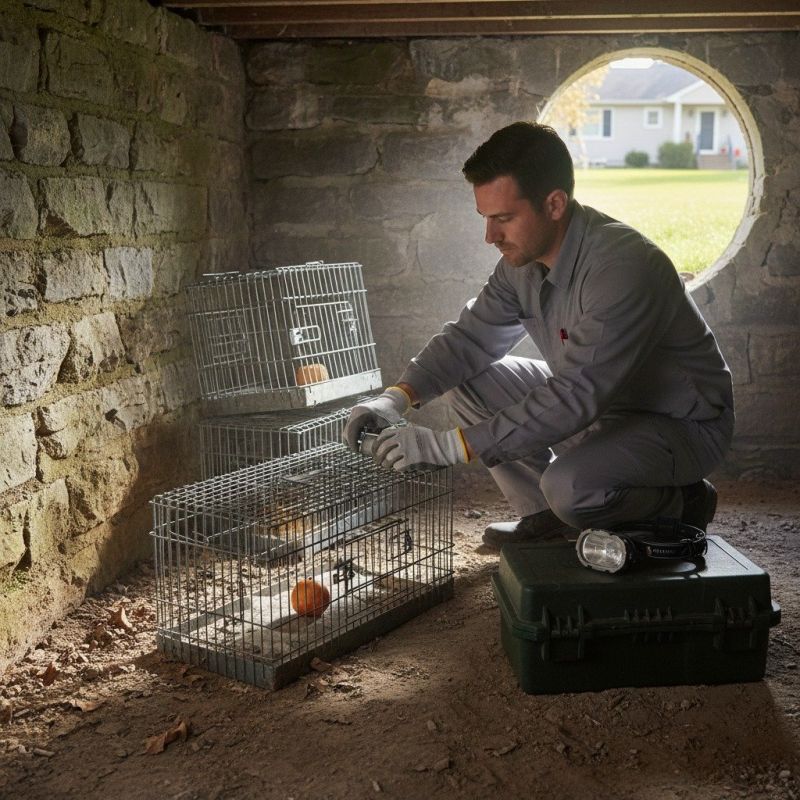
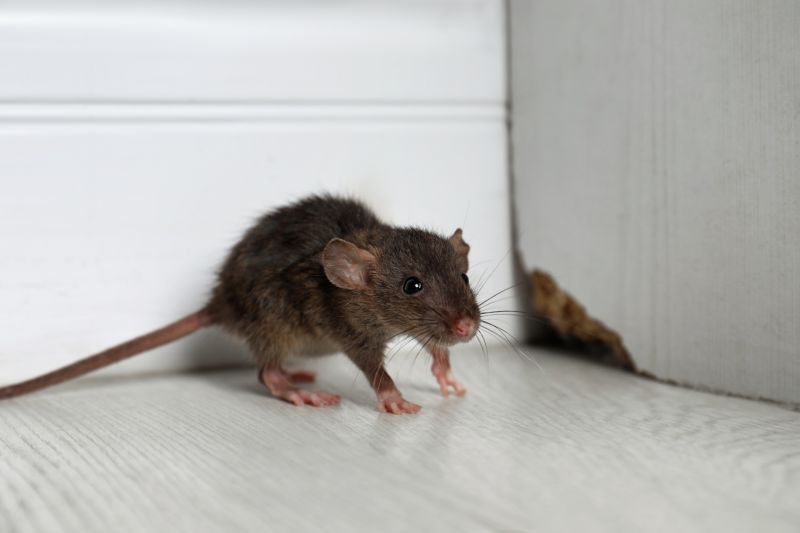
Many people searching for information about common small animal problems in commercial and industrial properties are likely concerned about pests or animals that have taken up residence on their premises. These issues often involve animals such as rodents, raccoons, squirrels, bats, or birds that find ways into buildings and create disturbances. The search may stem from noticing signs like droppings, unusual noises, damage to insulation or wiring, or sightings of animals in or around the property. Understanding these problems helps property owners and managers identify potential risks and determine when professional assistance is needed to address the situation effectively.
These small animal problems are closely related to property maintenance plans and pest management strategies. Animals may gain entry through small openings, damaged vents, or unsealed gaps, which can lead to ongoing infestations if not properly handled. Common plans involve inspecting the property for entry points, sealing openings, and implementing exclusion methods to prevent animals from entering again. In some cases, removal or trapping is necessary to safely eliminate the animals that have already established themselves. Local service providers specializing in small animal removal can assist with these efforts, ensuring that the problem is resolved in a way that minimizes damage and reduces health risks associated with animal infestations.
The types of properties most affected by these issues often include warehouses, manufacturing facilities, retail stores, and office buildings. Any commercial or industrial space with large open areas, accessible rooflines, or storage zones can be vulnerable to small animals seeking shelter or food sources. These properties may also have less frequent inspections or maintenance routines, making them more susceptible to animal intrusion. Industrial parks, distribution centers, and multi-tenant buildings are additional examples where small animal problems can become a significant concern. Local contractors who specialize in small animal removal are equipped to assess these properties and develop tailored solutions that address the specific challenges posed by each type of property.
Addressing common small animal problems in commercial and industrial properties involves more than just removal; it requires a comprehensive approach that includes identifying entry points, implementing exclusion measures, and ensuring ongoing monitoring. Property owners and managers should recognize that these issues are often signs of underlying vulnerabilities in the building’s structure. Local service providers who focus on small animal removal are experienced in handling these situations safely and efficiently. They can help identify the root causes of animal intrusions, remove the animals humanely, and recommend preventative strategies to keep the property secure. This proactive approach helps protect the integrity of the building and maintains a safe, animal-free environment for occupants and operations.
Rodent proofing projects involve sealing entry points and installing barriers, skills applicable to small animal exclusion in commercial and industrial properties.
Pest exclusion services focus on preventing unwanted animals from entering buildings, similar to techniques used in small animal removal efforts.
Building inspection projects include identifying vulnerabilities that small animals may exploit, helping to prevent infestations in commercial spaces.
Wildlife trapping and removal services often address similar challenges of safely removing small animals from structures.
Structural repair projects involve fixing damage caused by small animals or preventing future issues through damage mitigation.
Ventilation and attic sealing projects aim to close off access points, which is a key step in managing common small animal problems in commercial and industrial settings.
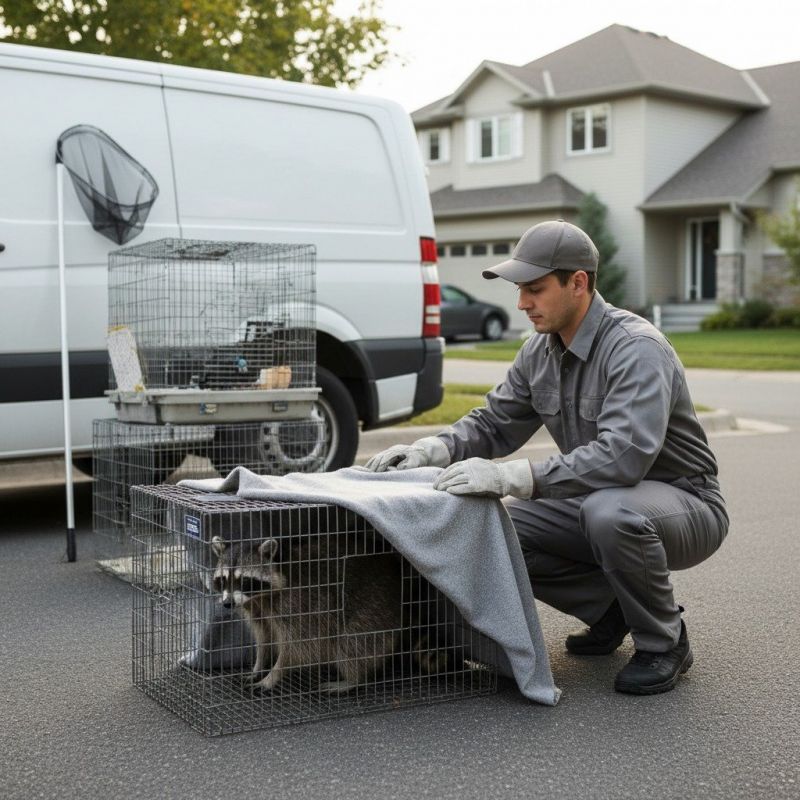
When comparing service providers for small animal removal in commercial and industrial properties, it is important to consider their experience with similar projects. Service providers who have handled small animal problems in settings comparable to the property in question are more likely to understand the unique challenges involved. This familiarity can contribute to a smoother process, ensuring that the removal methods are appropriate for the specific environment and type of animal involved. Asking about their past work with properties of similar size and use can help gauge their ability to effectively address the common small animal problems encountered in these settings.
Clear, written expectations are essential when evaluating local contractors for small animal removal services. A reputable service provider should be able to outline the scope of work, the steps involved in the removal process, and any follow-up measures in a detailed manner. This transparency helps ensure that all parties have a shared understanding of what the service entails and reduces the likelihood of misunderstandings. Well-defined expectations also serve as a basis for assessing whether the provider’s approach aligns with the specific needs of the property and the nature of the small animal problems being addressed.
Reputable references and good communication are key factors to consider when selecting a service provider for small animal removal. References from previous clients can provide insights into the contractor’s reliability, professionalism, and effectiveness in resolving similar issues. Additionally, a service provider who communicates clearly and promptly can make the process more straightforward, allowing property owners to stay informed and address any concerns as they arise. Prioritizing these qualities can lead to a more positive experience and a higher likelihood of successful resolution of common small animal problems in commercial and industrial properties.
Property owners often search for common small animal problems in commercial and industrial properties when they are planning practical projects around their homes and businesses. Local pros provide Small Animal Removal services for everyday jobs and straightforward project options.
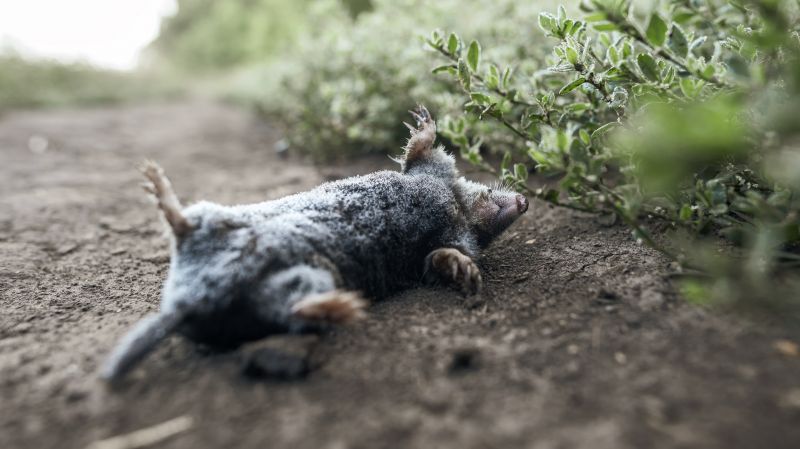
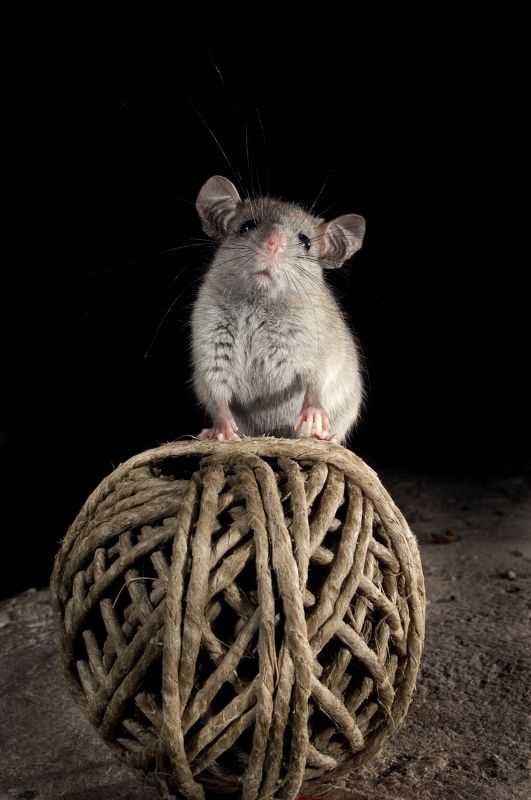
Many commercial and industrial property owners encounter common small animal problems that can disrupt operations or compromise building integrity. Rodents, such as mice and rats, often seek shelter in hidden spaces like wall voids, attics, or crawl spaces, leading to potential damage to wiring, insulation, and stored goods. Similarly, other small animals like squirrels, raccoons, or birds may find entry points and establish nests within roof eaves, vents, or unused openings, creating noise, debris, and sanitation concerns. Property owners frequently look up this topic to better understand how these pests can affect their facilities and to explore effective removal options that safeguard their investments.
When small animals become a problem, many turn to local service providers who specialize in removal and exclusion services. These professionals can assess the situation, identify entry points, and implement humane and effective solutions to remove unwanted small animals from commercial or industrial properties. Connecting with experienced contractors ensures that the problem is addressed thoroughly, preventing future invasions and minimizing damage. Property owners considering small animal removal services often seek trusted local experts who can handle the job efficiently and help maintain a safe, clean environment for their business operations.
What are common signs of small animal problems in commercial and industrial properties? Signs include unusual noises, droppings, chewed wires or insulation, and sightings of rodents or pests around the premises. Local contractors experienced in small animal removal can identify and address these issues effectively.
Why is it important to handle small animal problems promptly in commercial settings? Prompt action helps prevent damage to property, reduces health risks, and minimizes disruptions to business operations. Local service providers can quickly assess and resolve small animal issues to maintain safety and compliance.
What types of small animals are typically problematic in commercial and industrial properties? Common problematic small animals include rodents like rats and mice, as well as pests such as squirrels and raccoons. Local pros are equipped to handle a variety of small animal removal needs.
How do small animals typically enter commercial or industrial buildings? They often gain entry through small openings, gaps around pipes, vents, or damaged roofing. Local contractors can identify entry points and recommend effective exclusion measures.
What are the risks associated with small animal infestations in commercial properties? Risks include structural damage, contamination of products or surfaces, and health hazards from droppings and bites. Local pros can help mitigate these risks through professional removal and exclusion services.
Identifying entry points - property owners can inspect buildings regularly to spot small animal entry points and work with local contractors to seal these openings.
Preventive barriers - installing mesh or fencing around vulnerable areas can help keep small animals out, with local pros providing expert installation.
Habitat modification - removing debris, clutter, or food sources around the property reduces attractants and encourages local service providers to assist with habitat cleanup.
Ongoing monitoring - establishing routine inspections helps detect early signs of small animal activity, allowing local pros to address issues before they escalate.
If you are thinking about common small animal problems in commercial and industrial properties for a property, this guide is meant to help you understand this topic, the typical project types, and how different options might fit your plans.
When you are ready, you can use the quote form on this page to share a few details about your project. From there, local pros can review the basics and follow up with options that match what you have in mind.