Preventing Future Wildlife Intrusions After Professional Removal
To prevent future wildlife intrusions after professional removal, local service providers can install barriers and repairs that keep animals out permanently.
If you've recently had wildlife removed from your property, you may be wondering how to prevent future intrusions and keep your space safe and secure. This topic is especially relevant for property owners in the area who want to protect their homes from recurring wildlife issues, which can cause damage or pose health concerns. Exploring effective prevention methods can help ensure that once animals are removed, they don’t find their way back. Local contractors specializing in wildlife intrusion prevention can assess your property’s vulnerabilities and recommend practical solutions tailored to your specific situation, giving you peace of mind.
Understanding the importance of preventing future wildlife intrusions after professional removal is a key step in safeguarding your property long-term. Many local service providers offer comprehensive prevention services designed to block common entry points and create barriers that deter animals from returning. Keeping your property secure involves more than just removal-it requires ongoing measures to address potential access points and ensure wildlife stays out. By exploring these options and connecting with experienced local contractors, property owners can take proactive steps to maintain a wildlife-free environment and protect their investment.
- Common Projects Services
- Wildlife proofing - needed when property owners want to prevent future wildlife intrusions after professional removal by sealing entry points and installing barriers with the help of local contractors.
- Exclusion work - essential for those seeking to block animals from re-entering structures through gaps or openings, with local pros customizing solutions for each property.
- Attic and roof sealing - performed when homeowners aim to secure vulnerable areas and prevent animals from returning to attics or roof spaces, with local service providers applying targeted repairs.
- Barrier installation - suitable for clients who want to reinforce existing structures and deter wildlife from accessing their property again, with local experts installing durable barriers.
- Structural repairs - necessary after wildlife removal to fix damage and close off potential entry points, with local contractors offering tailored repair solutions to prevent future intrusions.
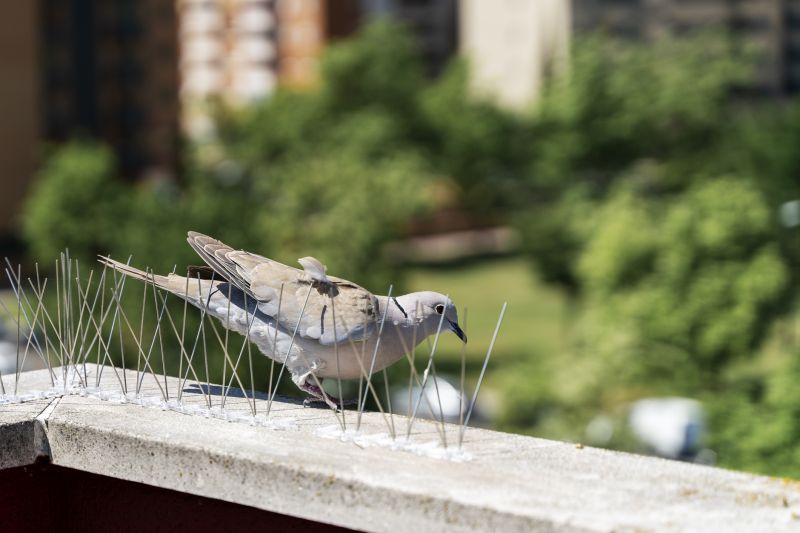
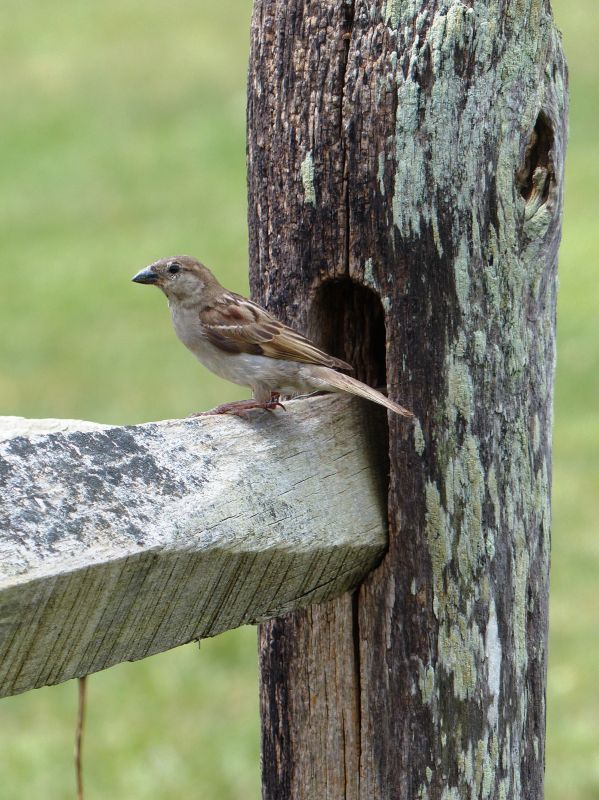
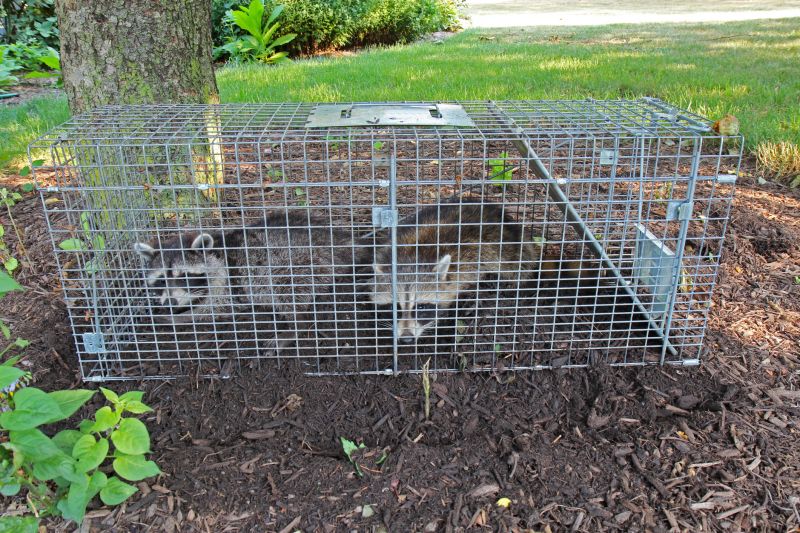
When people search for preventing future wildlife intrusions after professional removal, they are typically looking for ways to ensure that animals do not return to their property after an initial removal has taken place. This concern often arises after homeowners have dealt with animals such as raccoons, squirrels, bats, or birds that have entered attics, crawl spaces, or wall cavities. The goal is to implement effective strategies that address the points of entry and make the property less attractive or accessible to wildlife in the future. This process involves understanding how animals access structures and what measures can be taken to block or seal those access points securely, preventing recurrence.
These concerns are closely related to property protection plans that aim to minimize damage and avoid repeated invasions. Wildlife intrusions can cause significant issues, including structural damage, contamination, or health hazards. Homeowners often seek guidance on long-term solutions that go beyond just removal, focusing on exclusion methods that are durable and reliable. This includes installing barriers, repairing damaged areas, and making structural modifications that discourage animals from re-entering. Local service providers specializing in wildlife exclusion can assess properties, identify vulnerabilities, and recommend tailored strategies that fit the specific needs of each property.
Properties most commonly involved in these projects tend to be residential homes, especially those with attics, roof vents, chimneys, or other openings that animals can exploit. However, commercial buildings, barns, and outbuildings are also frequently affected, particularly if they have unprotected entry points or deteriorated structures. The problem is often more urgent in older buildings or properties located near wooded areas, where wildlife is more active and likely to seek shelter. Understanding the type of property and its vulnerabilities helps local contractors develop effective prevention plans that keep wildlife out for good, reducing the risk of future intrusions.
When seeking to prevent future wildlife intrusions after professional removal, homeowners should consider working with local service providers who specialize in exclusion and prevention techniques. These professionals have the experience to evaluate the property’s unique features, identify potential entry points, and implement tailored solutions that reinforce the structure’s defenses. Proper exclusion measures not only help prevent animals from returning but also protect the property from damage and reduce health risks associated with wildlife. Connecting with local experts ensures that the prevention work is performed correctly and sustainably, providing peace of mind that the property remains wildlife-free in the future.
Bird-proofing installations involve sealing entry points and installing deterrents, skills that are essential for preventing future wildlife intrusions after professional removal.
Attic and roof sealing projects focus on closing gaps and vulnerabilities that animals may exploit, making them closely related to wildlife intrusion prevention efforts.
Exclusion barrier setups require planning and installation of physical barriers to keep wildlife from re-entering structures, aligning with post-removal prevention strategies.
Structural repairs and repairs ensure that building vulnerabilities are addressed, helping to prevent animals from finding new access points after removal.
Gutter and soffit sealing services help eliminate common entry points for wildlife, supporting ongoing prevention after initial removal work.
Venting and chimney cap installations prevent animals from entering through these common access points, making them relevant to preventing future wildlife intrusions.
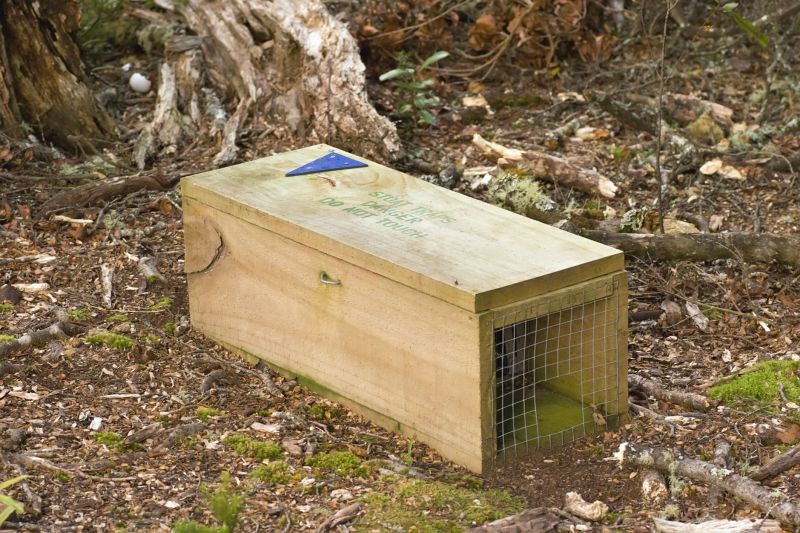
When evaluating service providers for preventing future wildlife intrusions after professional removal, it’s important to consider their experience with similar projects. Homeowners should inquire about the types of wildlife they have handled and the scope of their work in preventing re-entry. An experienced contractor will typically have a track record of addressing specific wildlife issues and implementing effective exclusion techniques, which can help ensure the solutions are tailored to the unique needs of the property. Demonstrating familiarity with common entry points and effective prevention methods can be a strong indicator of a contractor’s ability to deliver lasting results.
Clear, written expectations are essential when selecting a wildlife intrusion prevention service provider. Homeowners should seek detailed proposals that outline the scope of work, the specific exclusion measures to be implemented, and any warranties or follow-up procedures. Having a documented plan helps prevent misunderstandings and ensures that both parties are aligned on the goals of preventing future wildlife intrusions after professional removal. A transparent approach to expectations also provides a basis for evaluating the quality and thoroughness of the work performed.
Reputable references and good communication are key factors in choosing a reliable service provider. Homeowners can ask for references from past clients who have had similar wildlife prevention work completed. Speaking with previous customers can provide insight into the contractor’s professionalism, reliability, and the effectiveness of their prevention strategies. Additionally, a contractor’s responsiveness and clarity in explaining procedures can make the process smoother and more transparent. Good communication helps homeowners stay informed and confident that the chosen local contractor will address their wildlife prevention needs effectively.
Property owners often search for preventing future wildlife intrusions after professional removal when they are planning practical projects around their homes and businesses. Local pros provide Wildlife Intrusion Prevention services for everyday jobs and straightforward project options.
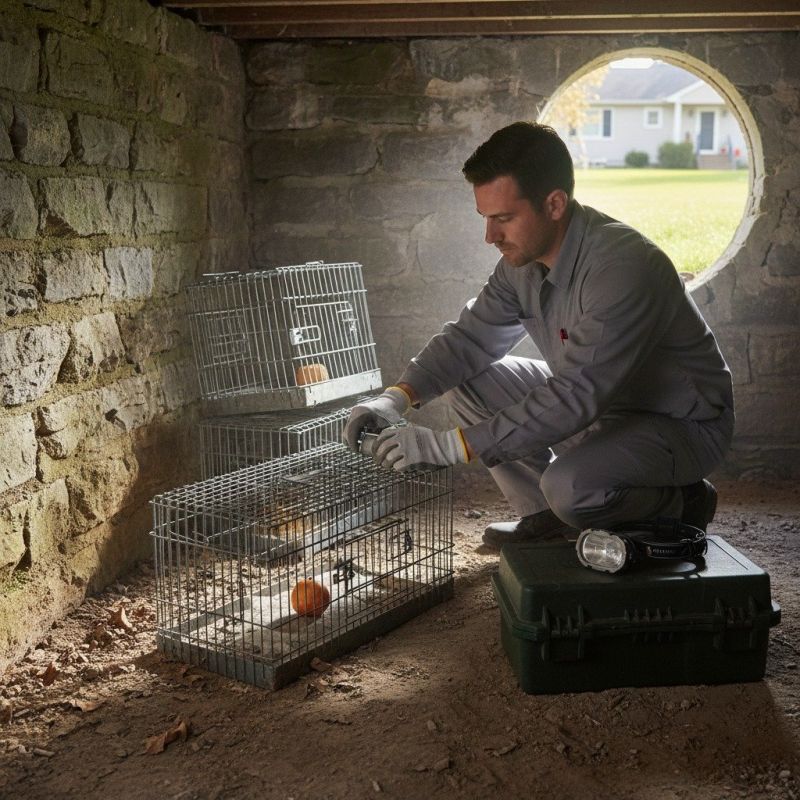
After wildlife removal has taken place, property owners often seek simple, effective ways to prevent future wildlife intrusions. Common situations include noticing new signs of animal activity or discovering damage around vents, chimneys, or rooflines. In these cases, local contractors who specialize in wildlife prevention can assess vulnerable entry points and recommend practical solutions to keep animals out moving forward. Addressing these issues promptly helps reduce the risk of recurring problems and ensures that the property remains protected over time.
Many property owners look into wildlife intrusion prevention services after experiencing repeated visits from animals or after a professional removal. These services typically involve sealing potential entry points, installing barriers, or making structural adjustments to discourage future intrusions. Engaging with experienced local service providers can help identify specific vulnerabilities and implement tailored measures that suit the property’s unique features. This proactive approach can save homeowners from ongoing wildlife issues and maintain a safer, more secure environment.
What are effective methods for preventing future wildlife intrusions after professional removal? Local contractors often recommend sealing entry points, installing exclusion devices, and repairing structural damages to prevent wildlife from returning.
How can I ensure that wildlife does not return after removal? Service providers may suggest ongoing maintenance, regular inspections, and the use of barriers to keep wildlife out once they have been removed.
What types of barriers or deterrents do local pros typically install to prevent future intrusions? Common solutions include mesh barriers, one-way exclusion doors, and hardware cloth to block animals from re-entering vulnerable areas.
Are there specific areas in a property that should be prioritized for wildlife intrusion prevention? Professionals generally focus on roof vents, chimneys, soffits, and foundation openings, as these are common entry points for wildlife.
How do local service providers help maintain wildlife-proofing over time? They often offer inspection and maintenance services to ensure that seals and barriers remain effective and intact against wildlife attempts.
Sealing entry points - Identifying and sealing gaps, holes, and vents helps prevent wildlife from re-entering after removal services are completed.
Installing barriers - Using mesh or fencing around vulnerable areas creates a physical barrier to deter future intrusions by wildlife.
Adjusting landscaping - Trimming trees, shrubs, and removing debris near the property reduces habitats that attract animals seeking shelter.
Implementing ongoing monitoring - Regular inspections by local contractors ensure that potential entry points do not reappear and that barriers remain effective.
If you are thinking about preventing future wildlife intrusions after professional removal for a property, this guide is meant to help you understand this topic, the typical project types, and how different options might fit your plans.
When you are ready, you can use the quote form on this page to share a few details about your project. From there, local pros can review the basics and follow up with options that match what you have in mind.