Health and Safety Risks Caused by Small Animals in Commercial Facilities
To address health and safety risks caused by small animals in commercial facilities, local contractors can provide effective removal and exclusion services to protect your business environment.
Visitors exploring concerns about health and safety risks caused by small animals in commercial facilities are in the right place. Small animals such as rodents, squirrels, or bats can pose significant health hazards, including the spread of diseases and contamination of food or storage areas. Property owners in the area may find it particularly important to understand these risks to maintain a safe, compliant environment for employees and customers alike. Recognizing the potential dangers and knowing how to address them early can help prevent costly damage and health issues, making this an essential topic for any commercial operation.
Continuing to read can reveal practical insights into how local contractors specializing in small animal removal can assist in managing these risks effectively. These service providers have the experience to identify entry points, safely remove animals, and implement measures to prevent future infestations. Addressing health and safety risks caused by small animals not only protects the integrity of a commercial facility but also supports a healthy and safe environment for everyone involved.
- Commercial Facility Inspection - When signs of small animal activity threaten health and safety, local contractors conduct thorough inspections to identify entry points and contamination risks.
- Rodent and Pest Removal - If small animals are found in storage or food preparation areas, service providers implement humane removal methods to reduce health hazards.
- Sanitation and Decontamination - After small animals are removed, professionals perform cleaning to eliminate droppings, nests, and potential disease vectors.
- Structural Repairs and Sealing - To prevent future infestations, local contractors secure entry points and reinforce building structures against small animal intrusion.
- Ongoing Monitoring Services - For facilities at risk, service providers offer continuous surveillance to detect early signs of small animal activity and mitigate health risks promptly.
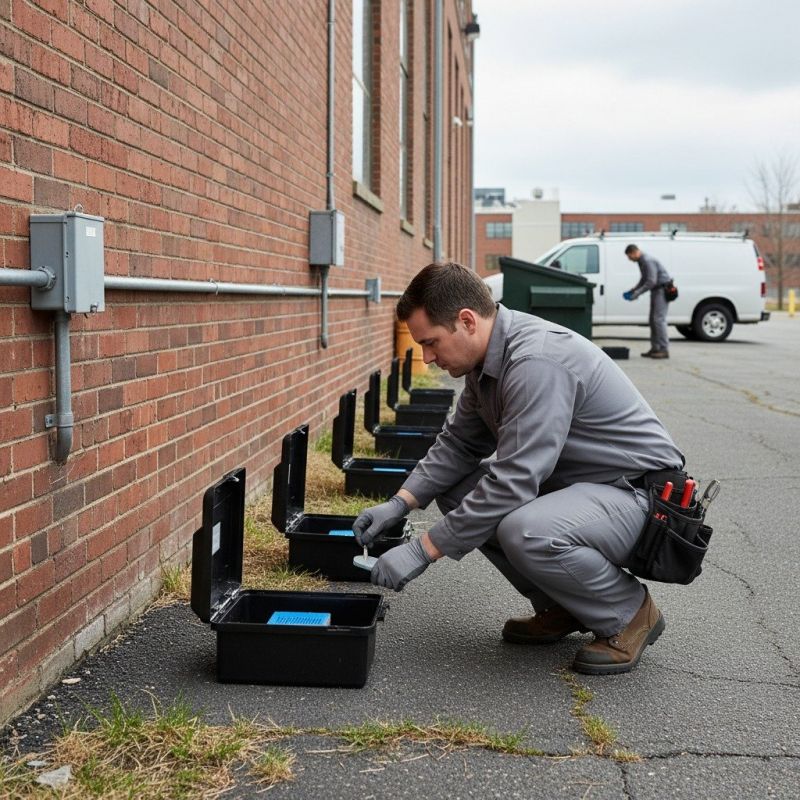
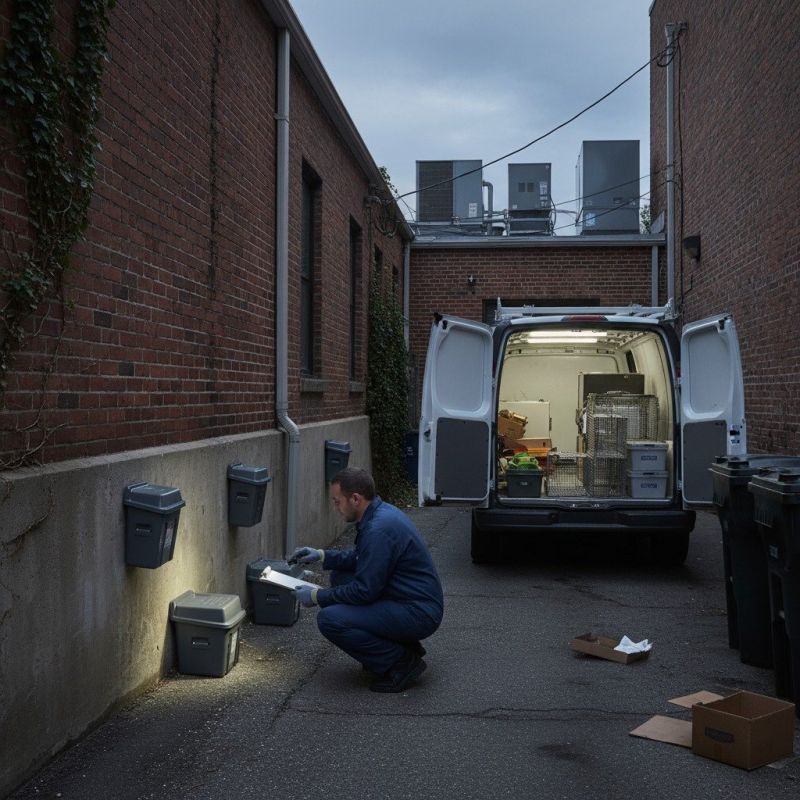
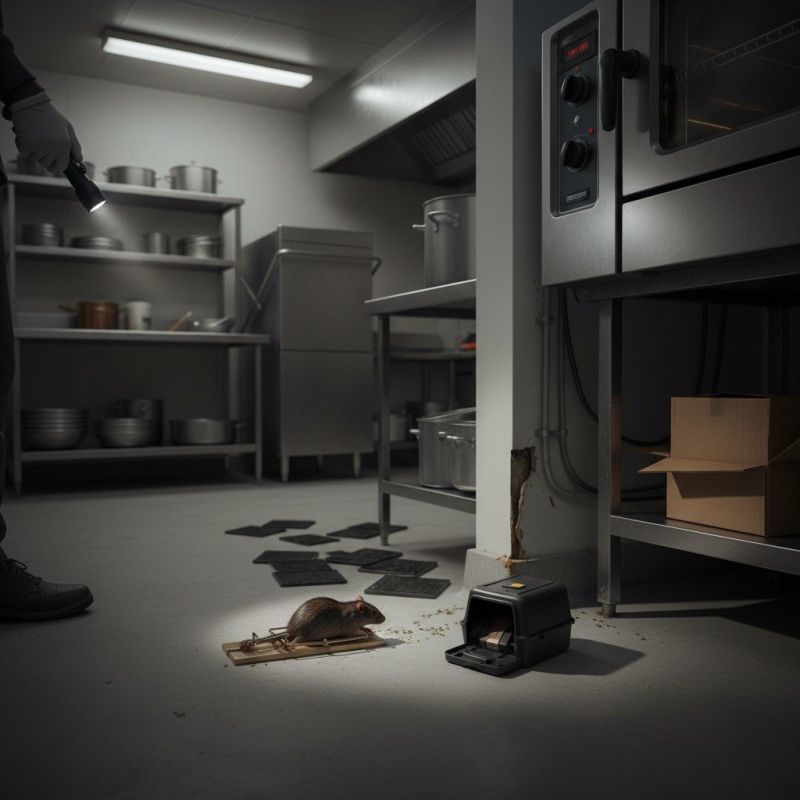
When people search for health and safety risks caused by small animals in commercial facilities, they are often concerned about how these creatures can impact the safety of employees, customers, and the overall building environment. Small animals such as rodents, bats, or birds can carry diseases that pose direct health threats through bites, droppings, or contaminated surfaces. Additionally, their presence may lead to structural damage, which can create hazards like exposed wiring or weakened building materials. Understanding these risks helps property owners recognize the importance of timely removal and prevention to maintain a safe and healthy workspace.
These concerns are typically related to plans for pest management, building inspections, or health and safety compliance efforts. Business owners and facility managers may need to address small animal issues as part of their routine maintenance or in response to sightings and infestations. In some cases, the discovery of small animals triggers emergency responses to prevent the spread of disease or further property damage. Properly managing these risks often involves developing integrated strategies that include exclusion, sanitation, and removal, with the assistance of experienced service providers who specialize in small animal removal.
Properties most commonly affected by health and safety risks caused by small animals in commercial facilities include warehouses, manufacturing plants, retail stores, office buildings, and restaurants. These properties often have structural features like vents, eaves, or gaps that can serve as entry points for small animals. Food storage areas and places with cluttered or inaccessible spaces are particularly vulnerable to infestations. Business owners in these settings need to be especially vigilant, as the presence of small animals can compromise hygiene standards, lead to contamination, and create safety hazards that impact daily operations.
Local service providers who handle small animal removal play a critical role in addressing these health and safety concerns. These professionals are equipped to identify entry points, safely remove animals, and implement exclusion measures to prevent future issues. Their expertise helps property owners develop effective plans to reduce health risks and ensure compliance with safety standards. Connecting with experienced small animal removal contractors can provide peace of mind, knowing that the property’s safety and integrity are being protected through professional, targeted solutions.
Rodent Control Projects - These projects involve identifying and eliminating rodent infestations, which are a common source of health and safety risks caused by small animals in commercial facilities.
Pest Exclusion Services - Exclusion work focuses on sealing entry points and preventing small animals from entering buildings, reducing health hazards associated with their presence.
Building Inspection and Assessment - Inspections help pinpoint areas vulnerable to small animal intrusion, aiding in the prevention of health and safety risks caused by small animals in commercial facilities.
Wildlife Damage Repair - Repair projects address damage caused by small animals, such as chewed wiring or insulation, which can pose safety hazards in commercial environments.
Sanitation and Cleanup Projects - These services involve removing droppings, nesting materials, and contaminants left by small animals, essential for maintaining health standards in commercial spaces.
Structural Reinforcement Projects - Reinforcing building structures helps prevent small animals from gaining access, thereby reducing health and safety risks caused by small animals in commercial facilities.
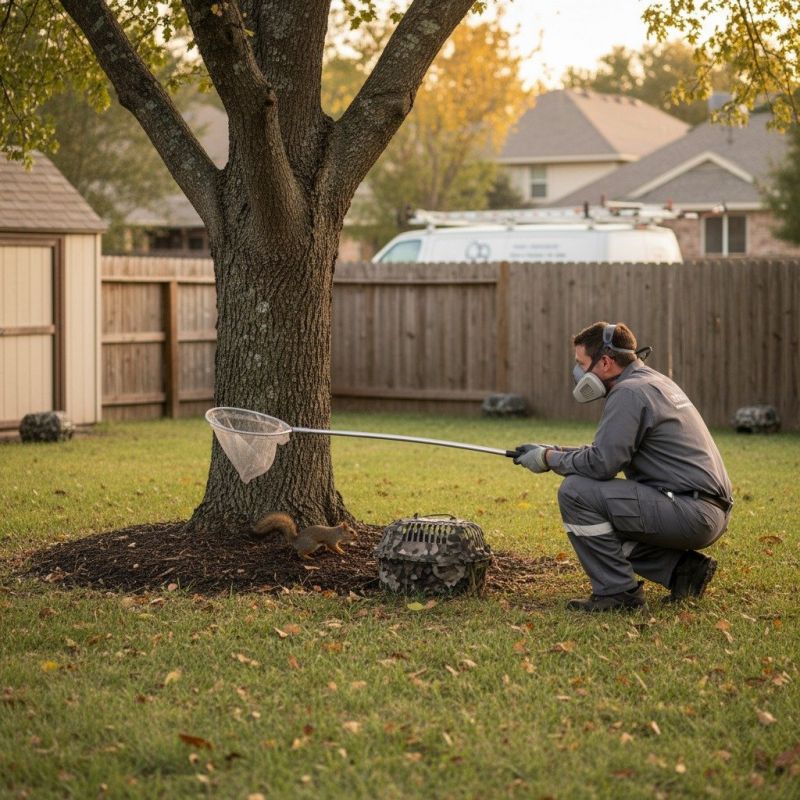
When evaluating service providers for addressing health and safety risks caused by small animals in commercial facilities, experience with similar projects is a key factor. Contractors who have handled small animal removal in environments comparable to the facility in question are more likely to understand the unique challenges involved, such as access points, building layouts, and the types of animals involved. A track record of successful projects in similar settings can provide confidence that the service provider is familiar with the necessary procedures to effectively mitigate health and safety hazards, ensuring that the removal process minimizes disruption and addresses potential risks thoroughly.
Clear, written expectations are essential when comparing local contractors for small animal removal services. These should outline the scope of work, methods to be used, and the desired outcomes, helping to ensure that both parties are aligned on what the project entails. Well-defined expectations can prevent misunderstandings and provide a basis for evaluating whether a contractor’s approach is suitable for managing health and safety risks. Transparent communication about the process also allows facility managers to assess how well the service provider can articulate procedures, safety measures, and follow-up steps, which are critical for maintaining a safe environment during and after the removal process.
Reputable references and effective communication are important indicators of a trustworthy service provider. When considering local contractors, it is helpful to seek references from previous clients who had similar needs, particularly those involving health and safety concerns related to small animals. Good communication skills ensure that questions and concerns can be addressed promptly and clearly, reducing the likelihood of overlooked details that could compromise safety. A service provider who maintains open, transparent dialogue and can provide verifiable references demonstrates professionalism and reliability, making it easier to select a partner capable of safely and effectively managing health and safety risks caused by small animals in commercial facilities.
Property owners often search for health and safety risks caused by small animals in commercial facilities when they are planning practical projects around their homes and businesses. Local pros provide Commercial Small Animal Removal services for everyday jobs and straightforward project options.
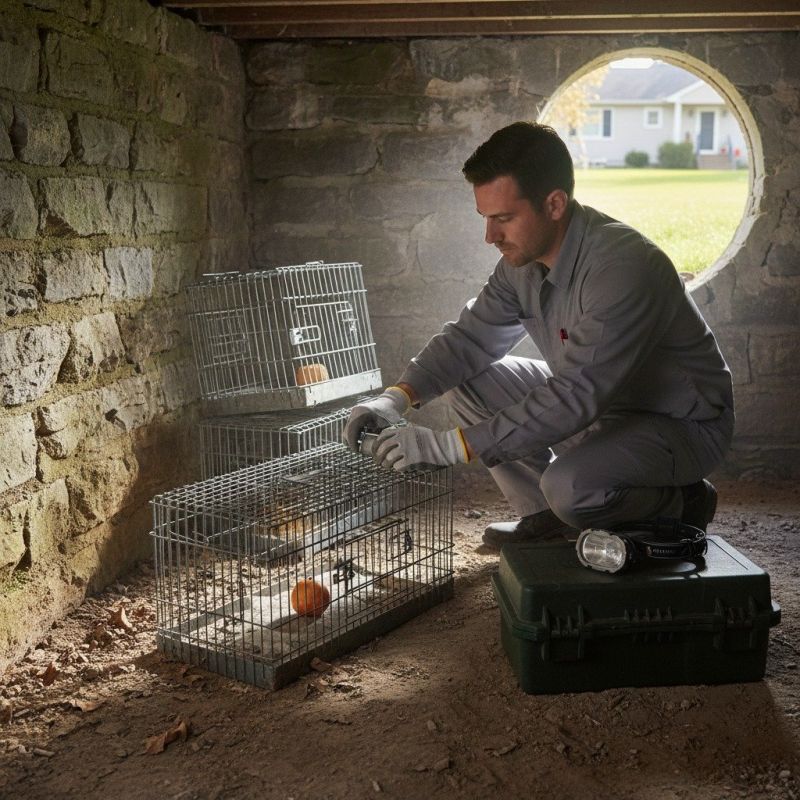
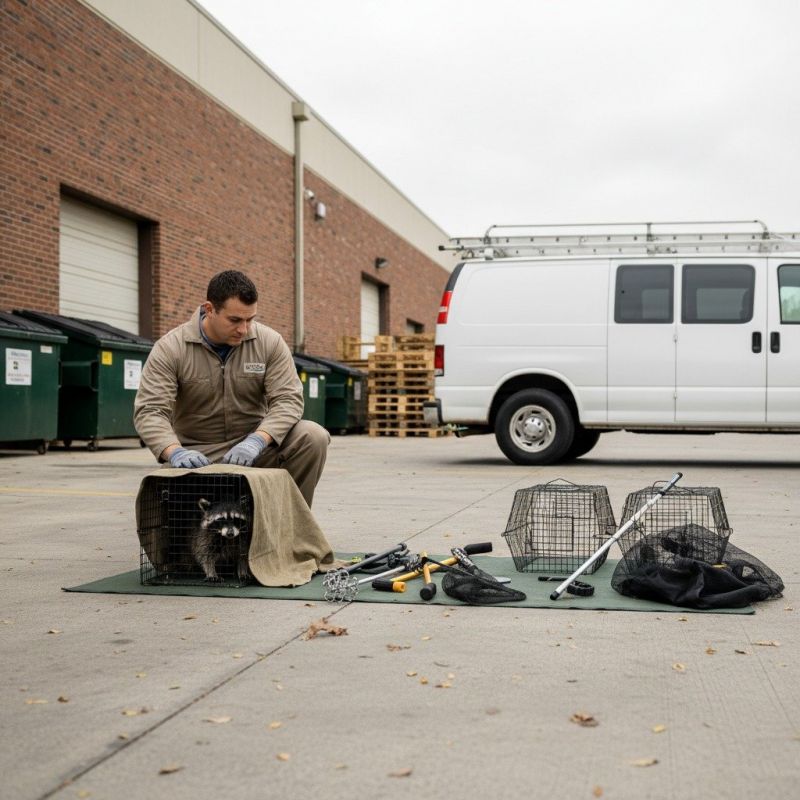
Small animals such as rodents, birds, and insects can pose significant health and safety risks in commercial facilities. Their presence often leads to contamination of food products, surfaces, and equipment, increasing the potential for the spread of diseases and bacteria. Additionally, small animals can cause structural damage by gnawing on wiring, insulation, and building materials, which may result in fire hazards or costly repairs. Property owners in the area might seek out commercial small animal removal services to address these issues promptly, helping to maintain a safe and sanitary environment for employees and customers alike.
In many everyday project situations, small animal infestations can go unnoticed until they cause noticeable problems or safety concerns. For business owners, understanding the importance of professional removal services can be crucial in preventing health hazards and ensuring compliance with safety standards. Local service providers specializing in small animal removal have the expertise to safely and effectively eliminate these pests, reducing the risk of health issues and property damage. Connecting with experienced contractors can be an essential step in safeguarding the facility’s operations and overall safety.
What health risks can small animals pose in commercial facilities? Small animals such as rodents and birds can carry diseases, bacteria, and parasites that may contaminate food, surfaces, and equipment, increasing health risks for employees and customers.
How do small animals create safety hazards in commercial environments? Small animals can cause structural damage, create slip hazards with droppings or nesting materials, and potentially trigger fire risks through chewed wiring or insulation, leading to safety concerns.
Why is it important to remove small animals promptly from commercial facilities? Prompt removal helps prevent the spread of diseases, reduces contamination risks, and minimizes damage to property and infrastructure, ensuring a safer environment for everyone.
What role do local service providers play in addressing health and safety risks caused by small animals? Local contractors specialize in humane removal and exclusion of small animals, helping to eliminate health hazards and restore a safe, sanitary environment in commercial spaces.
Are there specific health and safety regulations related to small animals in commercial facilities? Yes, many regulations require proper pest control and sanitation measures to prevent health risks, and local pros can assist in maintaining compliance through effective removal services.
Identify entry points - property owners can work with local contractors to locate and seal small animal entry points, reducing health and safety risks caused by small animals in commercial facilities.
Implement exclusion measures - applying professional exclusion techniques helps prevent small animals from accessing critical areas, minimizing safety hazards in the workspace.
Perform regular inspections - scheduling routine checks with local pros can detect early signs of small animal activity, reducing potential health risks before they escalate.
Remove infestations safely - partnering with experienced service providers ensures safe removal of small animals, decreasing the risk of disease transmission and property damage.
If you are thinking about health and safety risks caused by small animals in commercial facilities for a property, this guide is meant to help you understand this topic, the typical project types, and how different options might fit your plans.
When you are ready, you can use the quote form on this page to share a few details about your project. From there, local pros can review the basics and follow up with options that match what you have in mind.