How Small Animals Impact Commercial Buildings and Business Operations
People seeking commercial small animal removal aim to prevent property damage and business disruptions, with local service providers equipped to safely and effectively handle the job.
Understanding how small animals impact commercial buildings and business operations is essential for property owners seeking to maintain a safe and efficient environment. Small animals such as rodents, birds, and other critters can cause significant disruptions, from structural damage to contamination of spaces, which may lead to costly repairs and health concerns. Recognizing the signs early and addressing issues promptly can help prevent larger problems down the line. Local contractors who specialize in small animal removal are equipped to identify the root causes of infestations and implement effective solutions, ensuring that commercial spaces remain secure and operational.
For property owners in the area, exploring this topic is a practical step toward safeguarding their investments and maintaining smooth business operations. Small animals can often find ways into buildings through small openings or damaged areas, making regular inspections and timely interventions crucial. Connecting with experienced local service providers who offer small animal removal services can help manage these challenges efficiently. Keeping small animals out of commercial buildings not only protects property but also minimizes disruptions to daily business activities, making it a valuable consideration for any business owner concerned about maintaining a safe, clean, and functional space.
- Commercial building inspections - local contractors can identify signs of small animal intrusion that may disrupt business operations and recommend removal strategies.
- Animal exclusion services - when small animals have gained access to a commercial property, service providers can seal entry points to prevent further infestations.
- Damage repair and prevention - small animals can cause structural damage, and local pros can assess and repair affected areas to maintain building integrity.
- Sanitation and odor control - after removal, professionals can address lingering odors and contamination that impact indoor air quality and customer experience.
- Preventative maintenance consultations - businesses seeking to minimize disruptions often consult local experts on effective measures to deter small animals from entering commercial spaces.
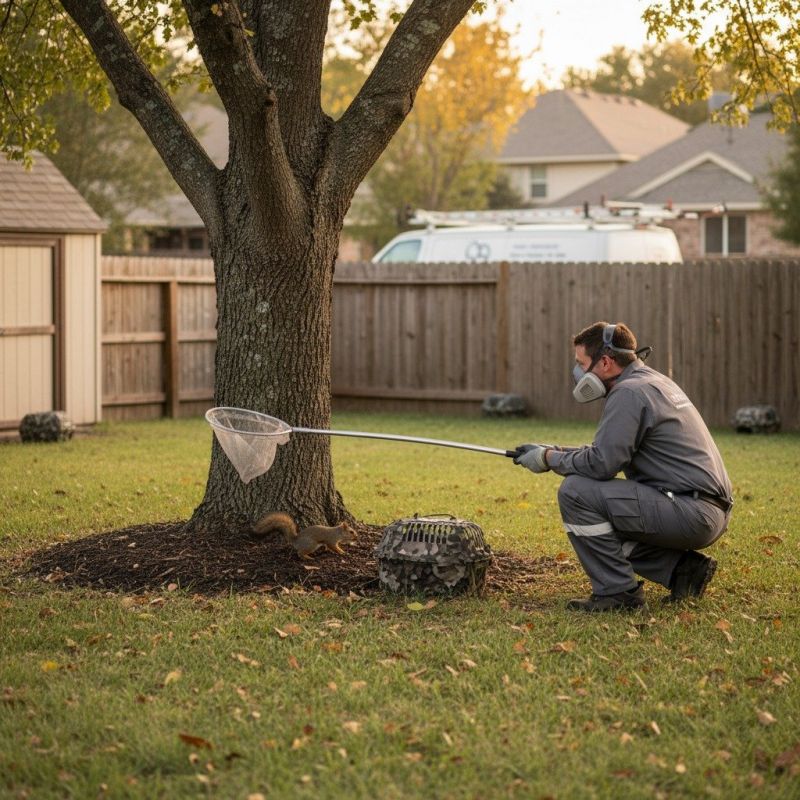
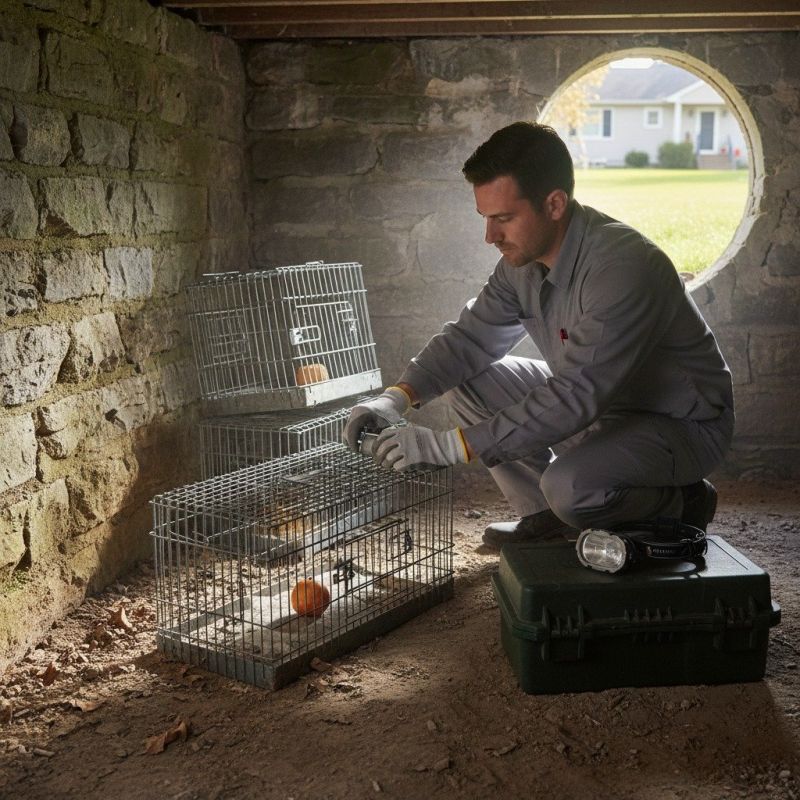
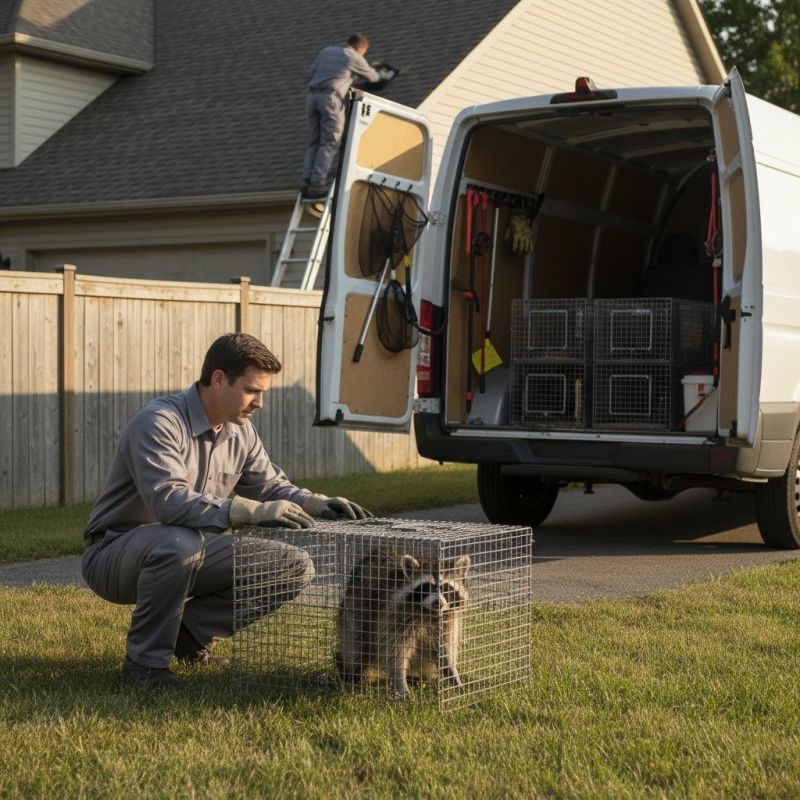
When people search for information on how small animals impact commercial buildings and business operations, they are often concerned about the potential damage and disruptions these creatures can cause. Small animals such as rodents, squirrels, and birds can find their way into structures, leading to issues like chewed wiring, insulation damage, and contamination of stored goods. Business owners and property managers want to understand how these animals might threaten the integrity of their buildings and the safety of their employees or customers. Recognizing these impacts helps them plan effective strategies to prevent infestations or address existing problems before they escalate.
This topic is closely related to problems like property damage, health risks, and operational downtime. Small animals can cause electrical fires by gnawing on wiring, which poses a serious safety concern. They can also introduce parasites and bacteria, creating health hazards for anyone in the building. Additionally, animal nests and droppings can lead to foul odors, unsanitary conditions, and even pest attractions that complicate ongoing maintenance efforts. Business owners may also consider plans for exclusion, ongoing pest monitoring, or removal services to mitigate these risks and ensure smooth operations.
The types of properties that typically come up when discussing how small animals impact commercial buildings include warehouses, retail stores, office complexes, restaurants, and manufacturing facilities. These structures often have spaces that provide shelter or access points for animals, such as roof vents, gaps in walls, or utility openings. Large or older buildings with complex layouts tend to be more vulnerable to animal entry and infestation. Understanding the specific property type helps in identifying the most common entry points and designing targeted removal or exclusion strategies to protect the premises.
Local service providers specializing in small animal removal are essential partners for businesses facing these challenges. They bring expertise in identifying how small animals are getting into buildings, assessing the severity of the problem, and implementing effective removal and exclusion measures. These professionals can help property owners develop tailored plans to prevent future invasions, reduce damage, and maintain a safe, sanitary environment. Connecting with experienced local contractors ensures that the right solutions are applied efficiently, minimizing disruptions to daily operations and protecting the property’s value over time.
Wildlife Exclusion Projects - these involve planning and implementing exclusion methods to prevent animals from entering buildings, similar to small animal removal efforts in commercial settings.
Attic and Wall Insulation Services - work that addresses animal infestations within building structures, requiring similar inspection and damage assessment skills as small animal control.
Pest Prevention and Monitoring Programs - ongoing services that focus on identifying and mitigating animal entry points, aligning with the planning aspects of small animal removal.
Building Damage Repair Projects - restoring structures affected by animal activity, which parallels the damage control involved in managing small animal impacts on buildings.
Rodent-proofing and Sealant Applications - sealing entry points to prevent animal access, a task closely related to the exclusion techniques used in small animal removal.
Structural Inspection and Damage Assessment - evaluating buildings for signs of animal intrusion and related damage, requiring skills similar to those needed for small animal impact evaluations.
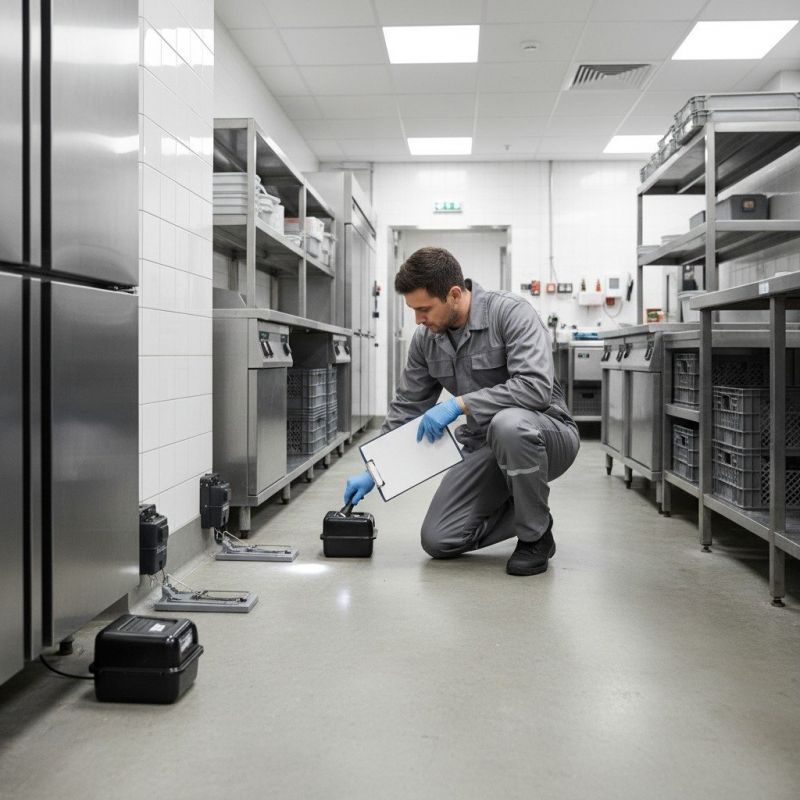
When comparing service providers for small animal removal in commercial settings, it is important to consider their experience with similar projects. A contractor who has handled small animal issues in buildings of comparable size and use is likely to understand the unique challenges involved. This experience can influence the effectiveness of the removal process and help prevent future infestations that could disrupt business operations. Reviewing a contractor’s portfolio or asking for examples of past work can provide insight into their familiarity with the specific needs of commercial properties impacted by small animals.
Clear, written expectations are essential when evaluating potential service providers. A reputable local contractor should be able to outline the scope of work, including inspection procedures, removal methods, and follow-up measures. This clarity helps ensure there are no misunderstandings about what will be done and what results to expect. Well-defined expectations also serve as a basis for comparing different providers, making it easier to identify those who communicate their plans effectively and professionally.
Reputable references and good communication are key indicators of a dependable contractor. Speaking with previous clients can reveal how well a service provider manages projects similar to yours and whether they maintain transparency throughout the process. Additionally, a contractor’s responsiveness and willingness to answer questions demonstrate their commitment to clear communication. Choosing a local pros who can provide solid references and who communicates openly can help ensure the small animal removal process is handled efficiently, minimizing potential disruptions to business operations and building safety.
Property owners often search for how small animals impact commercial buildings and business operations when they are planning practical projects around their homes and businesses. Local pros provide Commercial Small Animal Removal services for everyday jobs and straightforward project options.
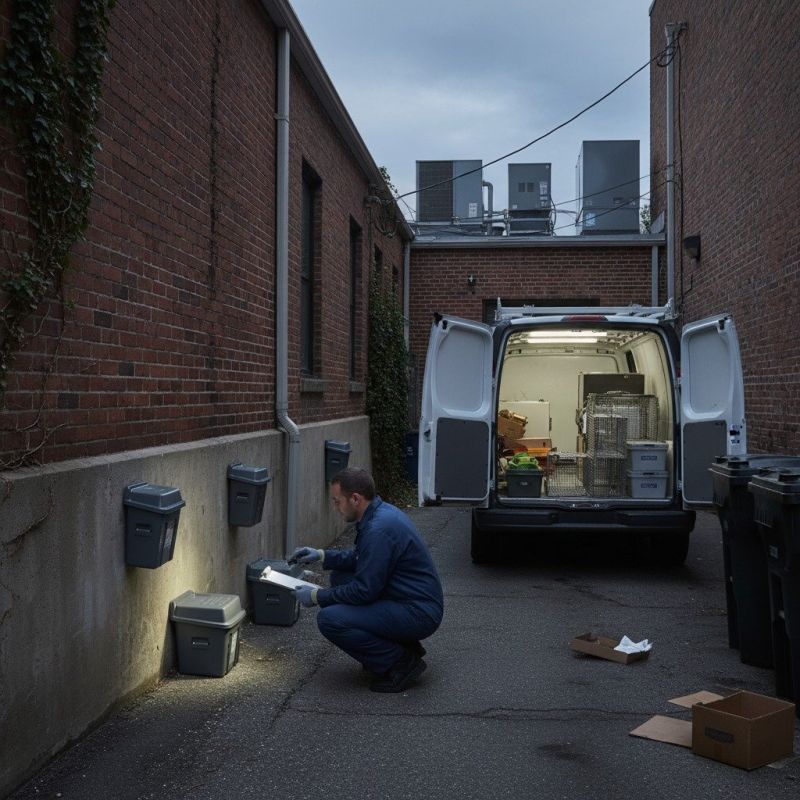
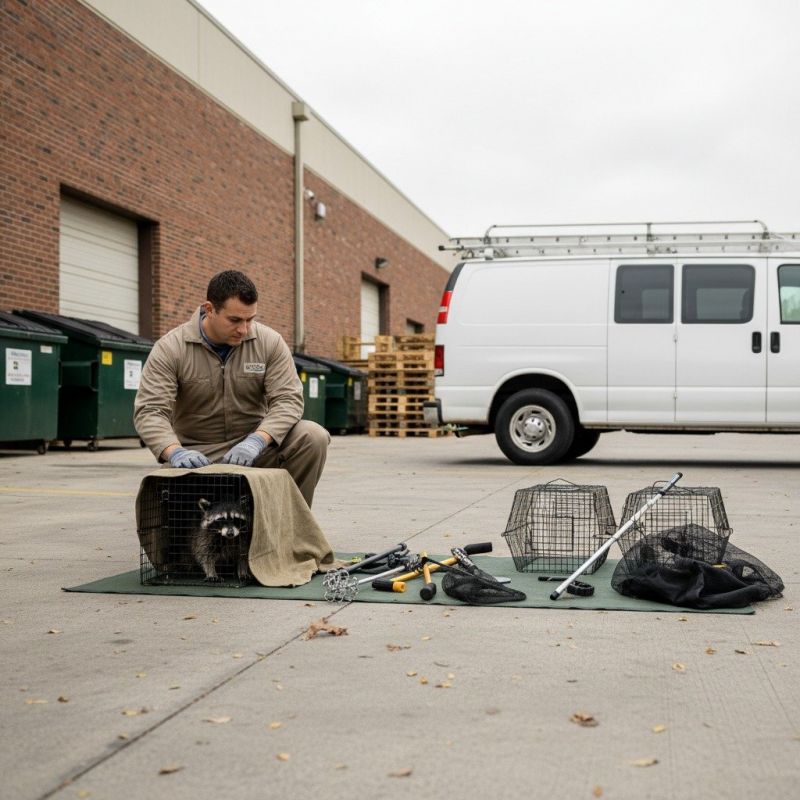
Small animals such as rodents, birds, and insects can cause significant disruptions in commercial buildings, affecting daily business operations. Their presence often leads to damage to insulation, wiring, and stored goods, which can result in costly repairs and potential safety hazards. Business owners in the area may notice signs of small animal activity, like droppings or strange noises, prompting concerns about infestations that could compromise the integrity of the building and disrupt productivity.
Property owners seeking effective solutions often consider commercial small animal removal services provided by local contractors. These professionals specialize in safely and efficiently addressing small animal issues, helping to prevent further damage and maintain a safe environment for employees and customers. Connecting with experienced local service providers can be a practical step for businesses aiming to manage small animal impacts quickly and effectively, ensuring operations continue smoothly without the risks associated with infestations.
How do small animals affect the structural integrity of commercial buildings? Small animals such as rodents and birds can cause damage to building structures by gnawing on wiring, insulation, and wood components, potentially leading to costly repairs and safety hazards.
In what ways can small animals disrupt business operations? Small animals may create noise, droppings, and odors that affect the work environment, and their presence can lead to health concerns or regulatory issues that interfere with daily operations.
Why is it important to address small animal infestations promptly? Prompt removal helps prevent extensive damage to building infrastructure, reduces health risks, and minimizes the chance of animals establishing larger colonies that are harder to manage later.
How can local service providers help mitigate the impact of small animals? Local contractors offer removal and exclusion services that prevent animals from re-entering buildings, protecting property and maintaining a safe business environment.
What types of small animals are commonly involved in impacting commercial buildings? Common small animals include rodents like mice and rats, as well as birds, squirrels, and raccoons, all of which can cause damage and pose health risks in commercial settings.
Identify entry points - property owners can work with local contractors to locate and seal small openings that animals use to access buildings, preventing infestations.
Implement exclusion strategies - applying barriers and one-way doors with the help of local pros can stop small animals from re-entering after removal.
Schedule regular inspections - routine checks by local service providers can catch early signs of animal activity before damage occurs.
Remove attractants - consulting with local pros on proper storage and waste management can reduce factors that attract small animals to commercial properties.
If you are thinking about how small animals impact commercial buildings and business operations for a property, this guide is meant to help you understand this topic, the typical project types, and how different options might fit your plans.
When you are ready, you can use the quote form on this page to share a few details about your project. From there, local pros can review the basics and follow up with options that match what you have in mind.