Seasonal Wildlife Issues Homeowners Should Watch For
Homeowners facing seasonal wildlife issues should seek help from local service providers who can safely remove animals and prevent future problems.
Homeowners in the area may find that seasonal wildlife issues can unexpectedly impact their properties, especially during certain times of the year. Recognizing common signs of wildlife activity and understanding potential risks can help prevent damage and unwanted encounters. Whether it’s animals seeking shelter or food, or nests being built in hidden spaces, staying informed about these seasonal patterns is a practical step for property owners who want to protect their homes and maintain a safe living environment.
Fortunately, local contractors specializing in seasonal wildlife removal offer tailored solutions to address these concerns effectively. These professionals are equipped to handle a variety of wildlife-related issues, providing services that help keep homes secure and free from unwanted animal visitors. Exploring options to manage seasonal wildlife issues ensures homeowners can take proactive steps and connect with trusted service providers who understand the unique challenges of the area. Keep reading to discover what signs to watch for and how local experts can assist in safeguarding your property.
- Bird nesting season - homeowners may need wildlife removal services when birds build nests in vents, eaves, or attics, and local contractors can safely remove nests and prevent future entry points.
- Spring raccoon activity - as raccoons search for food and shelter, local pros can help identify and seal entry points to prevent them from nesting in attics or crawl spaces.
- Fall squirrel infestations - during squirrel migration, homeowners might notice signs of entry, and local service providers can help trap and exclude these rodents from the property.
- Winter rodent issues - rodents seek warmth inside homes during colder months, and local contractors can assist with sealing gaps and setting traps to control infestations.
- Migration of bats - seasonal bat activity in attics or eaves can prompt removal and exclusion services from local pros to ensure safe and humane wildlife management.
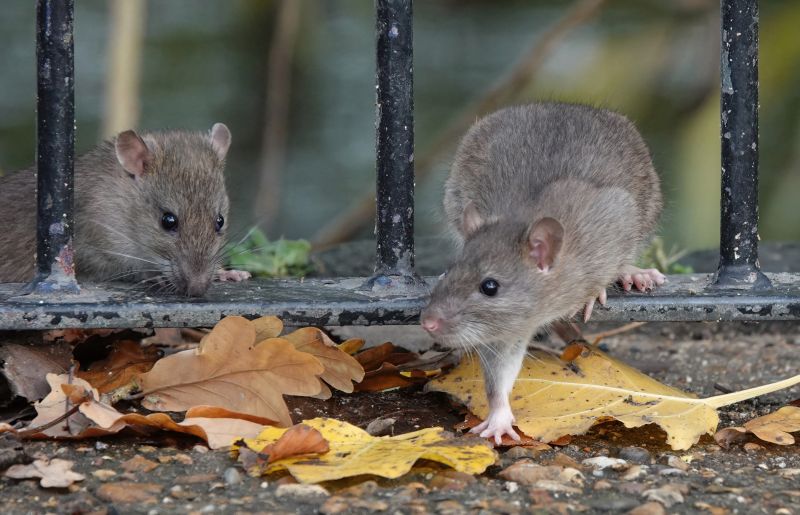
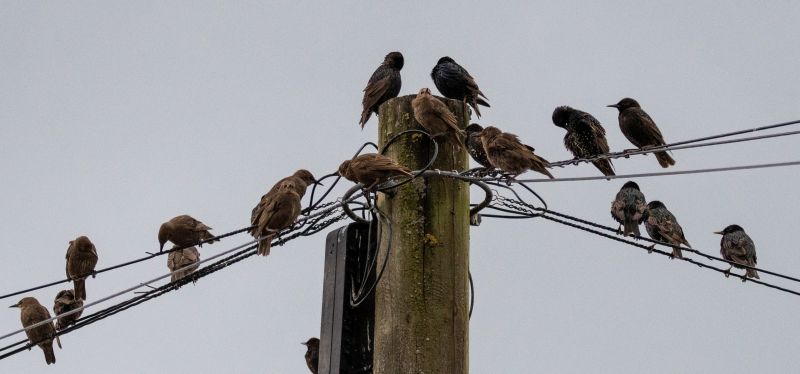
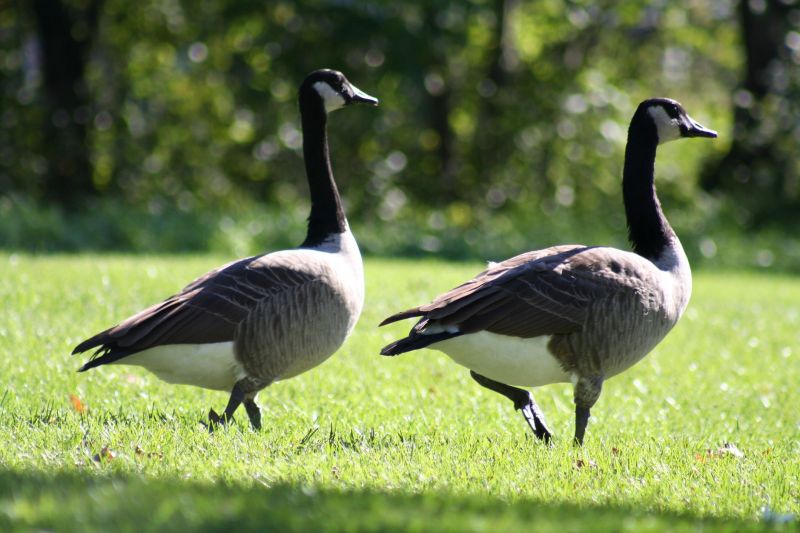
Seasonal wildlife issues homeowners should watch for often relate to animals seeking shelter, food, or water as seasons change. During spring and summer, homeowners may notice increased activity from birds, squirrels, raccoons, or bats around their property. These animals can cause damage to roofs, vents, and soffits when they attempt to establish nests or find entry points. In fall and winter, the focus shifts to animals like mice, rats, and other rodents seeking warmth inside homes or attics. Recognizing signs of these seasonal patterns helps homeowners prevent infestations and property damage before they escalate, making early intervention by local contractors essential.
The problems associated with seasonal wildlife can vary widely, but they often involve animals gaining access to hidden or hard-to-reach areas. Nests in vents, chimney obstructions, or burrows under decks are common issues that develop during specific times of the year. These animals can create hazards such as chewed wiring, contaminated insulation, or structural damage. Planning for seasonal wildlife issues also includes understanding which animals are most active during certain periods, enabling homeowners to take preventive steps like sealing entry points or installing deterrents. Local service providers can assess properties for vulnerabilities and implement tailored solutions to address these seasonal risks effectively.
Certain types of properties tend to be more affected by seasonal wildlife issues, especially those with ample access points or natural surroundings. Homes with mature trees, dense shrubbery, or proximity to wooded areas are more likely to experience animal activity during seasonal shifts. Attics, crawl spaces, and roof vents are common entry points that animals exploit when seeking shelter. Additionally, properties with open eaves, poorly sealed windows, or damaged screens are more vulnerable. Recognizing these property features helps homeowners understand where wildlife issues may arise seasonally and prompts them to seek professional assistance for sealing and exclusion work, which is often best handled by experienced local contractors.
Understanding seasonal wildlife issues homeowners should watch for connects directly to ongoing property protection and maintenance plans. Addressing these issues proactively can prevent costly damage and reduce health risks associated with animal droppings or nests. Local wildlife removal professionals can provide inspections to identify entry points, recommend exclusion methods, and safely remove animals that have already taken residence. These experts play a vital role in helping homeowners prepare for seasonal shifts by implementing targeted solutions designed to minimize wildlife conflicts throughout the year. Connecting with trusted local service providers ensures that seasonal wildlife challenges are managed effectively, safeguarding the home and its occupants.
Gutter Cleaning and Maintenance - Proper gutter upkeep helps prevent bird nests and blockages that can lead to wildlife intrusion during seasonal changes.
Attic Insulation and Ventilation - Ensuring adequate attic ventilation reduces the likelihood of animals nesting in hidden spaces when wildlife issues are seasonal.
Roof Repair and Inspection - Regular roof checks can identify vulnerabilities that wildlife may exploit during seasonal migrations or breeding periods.
Exclusion and Barrier Installation - Installing barriers to windows, vents, and chimneys helps protect homes from seasonal wildlife entry points.
Tree Trimming and Landscaping - Properly maintained trees and shrubs reduce access points for wildlife seeking shelter during seasonal shifts.
Wildlife Damage Repair - Addressing damage caused by seasonal wildlife activity ensures ongoing protection and prevents future issues.
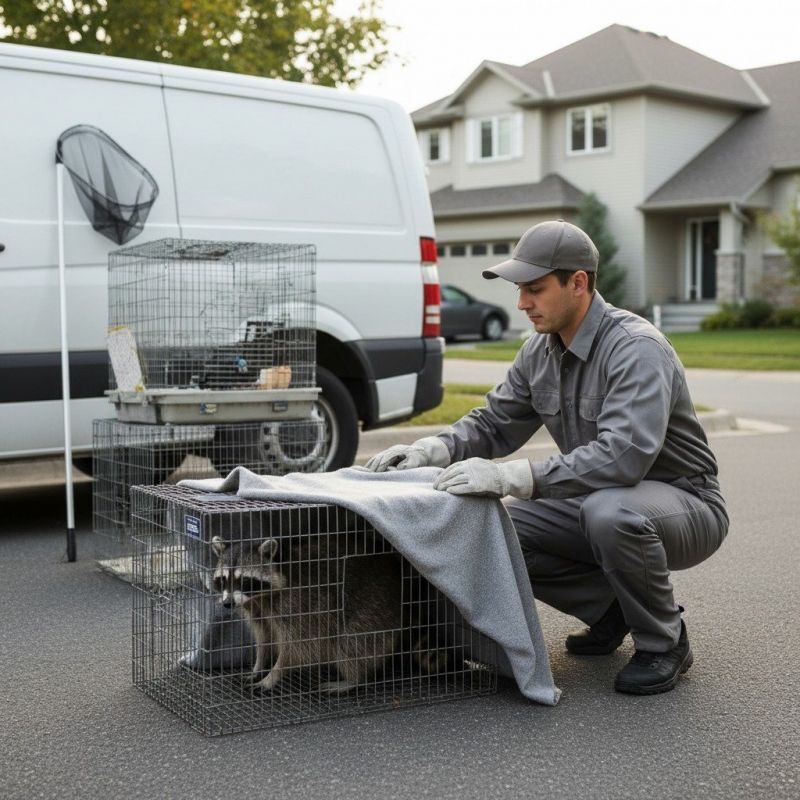
When evaluating local contractors for seasonal wildlife removal, it’s important to consider their experience with similar projects. Homeowners should inquire about the types of wildlife issues the service providers have handled in the past, particularly those related to seasonal changes and common local wildlife concerns. An experienced contractor will have a better understanding of the specific signs and behaviors associated with seasonal wildlife issues homeowners should watch for, which can lead to more effective and targeted removal strategies. This familiarity can also help ensure the contractor is prepared to address potential challenges that may arise during the removal process.
Clear written expectations are essential when comparing service providers for seasonal wildlife issues. Homeowners should seek detailed descriptions of the scope of work, including what services are included and what may require additional attention. Understanding the process and what to expect at each stage helps prevent misunderstandings and ensures that the homeowner’s concerns about seasonal wildlife issues are fully addressed. Contractors who communicate their plans and procedures in writing demonstrate professionalism and transparency, making it easier to compare options and select a provider that aligns with the homeowner’s needs.
Reputable references and good communication are vital qualities to look for in local contractors. Homeowners should ask for references or reviews from previous clients who had similar seasonal wildlife issues, providing insight into the contractor’s reliability and effectiveness. Additionally, responsive and clear communication from the service provider can make the entire process smoother, from initial consultation to completion. Service providers who prioritize open dialogue and are willing to answer questions thoroughly can help homeowners feel confident that their seasonal wildlife issues will be handled professionally and efficiently.
Property owners often search for seasonal wildlife issues homeowners should watch for when they are planning practical projects around their homes and businesses. Local pros provide Seasonal Wildlife Removal services for everyday jobs and straightforward project options.
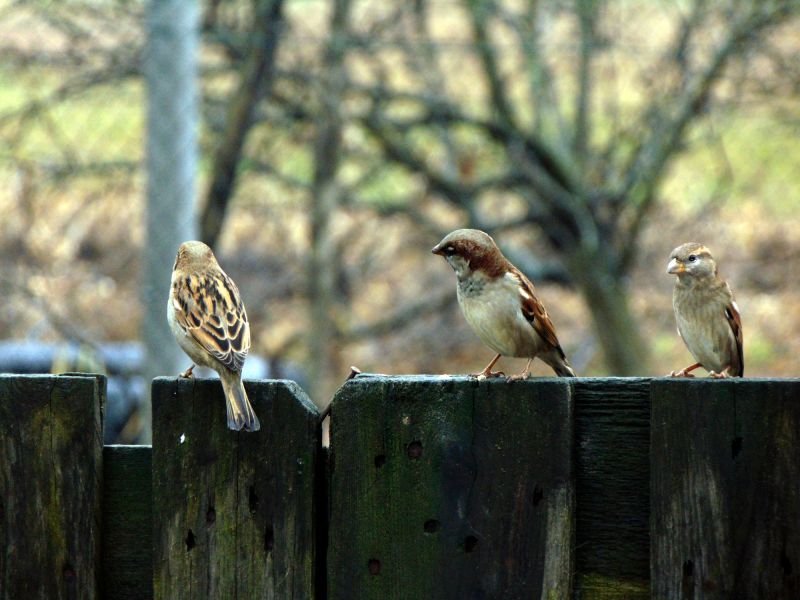
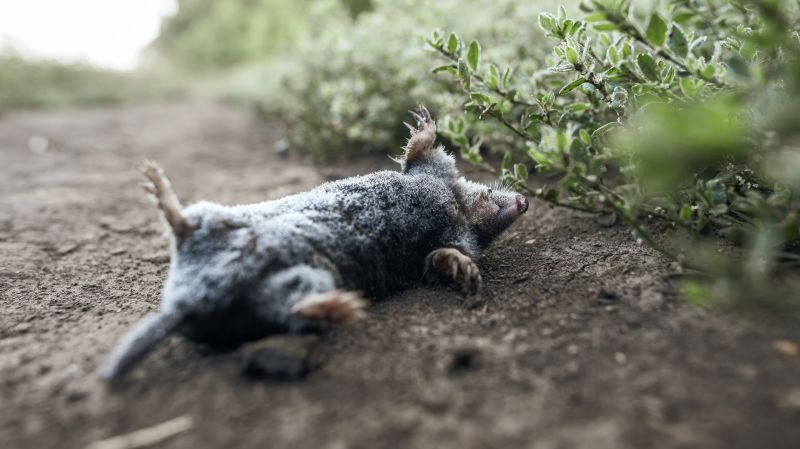
Seasonal wildlife issues homeowners should watch for often become more noticeable during specific times of the year, prompting many property owners to seek professional assistance. Common concerns include animals such as raccoons, squirrels, or birds attempting to access attics, chimneys, or wall spaces, especially as they search for shelter or nesting sites. Identifying signs early-like strange noises, droppings, or damage-can help prevent more serious problems later. Local contractors experienced in wildlife removal can assess the situation and implement humane solutions to keep unwanted animals away from the home.
During seasonal transitions, property owners might also encounter issues with animals seeking warmth or food, leading to increased activity around vents, eaves, or under decks. These situations can sometimes result in damage to roofing, insulation, or wiring, which may require professional intervention. Local service providers specializing in wildlife removal are equipped to handle these issues safely and effectively, helping homeowners protect their property and prevent future invasions. Connecting with local experts can be a practical step for those noticing early signs of wildlife activity during seasonal changes.
What are common signs of wildlife entering homes during seasonal changes? Homeowners should watch for unusual noises, droppings, or damage around vents, attics, and chimneys, which may indicate wildlife intrusion. Local contractors can assess and address these issues to prevent infestations.
Which types of wildlife are most active during specific seasons? Animals like bats, squirrels, and raccoons tend to be more active in certain seasons, such as fall and spring, often seeking shelter in homes. Local service providers can help identify and remove these animals safely.
How can homeowners prevent wildlife from nesting in their homes during seasonal periods? Sealing entry points, installing barriers, and removing attractants like food or debris are effective strategies. Local pros can assist with securing your property to reduce the risk of nesting.
What are the risks of ignoring seasonal wildlife issues in a home? Ignoring these issues can lead to property damage, health concerns from droppings or parasites, and increased difficulty in removal. Local wildlife removal experts can help mitigate these risks promptly.
When should homeowners consider professional wildlife removal services during seasonal wildlife activity? It's advisable to contact professionals when noticing signs of intrusion, damage, or nesting activity, especially during peak seasons for certain animals. Local contractors can provide timely assistance to address these issues.
Identify seasonal nesting sites - homeowners can inspect their property for potential nesting spots and work with local contractors to secure openings before wildlife begins nesting.
Monitor food sources - removing accessible bird feeders or securing trash cans can help prevent attracting wildlife during peak activity seasons, with local pros providing guidance.
Seal entry points - blocking small gaps and holes around the home’s exterior can reduce wildlife intrusion, and local service providers can assist with effective sealing solutions.
Maintain yard debris - regularly clearing leaves, brush, and other debris minimizes habitat for wildlife, with local contractors offering cleanup and exclusion services.
If you are thinking about seasonal wildlife issues homeowners should watch for for a property, this guide is meant to help you understand this topic, the typical project types, and how different options might fit your plans.
When you are ready, you can use the quote form on this page to share a few details about your project. From there, local pros can review the basics and follow up with options that match what you have in mind.